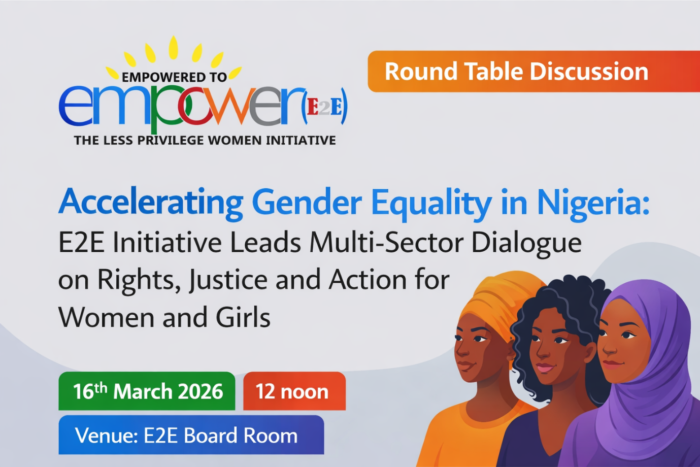
Accelerating Gender Equality in Nigeria: E2E Initiative Leads Multi-Sector Dialogue on Rights, Justice and Action for Women and Girls
Stakeholders from law, education, finance, technology, and civil society call for stronger collaboration and grassroots action to close gender equality gaps in Nigeria.
Despite growing policy commitments to gender equality in Nigeria, significant gaps remain in access to justice, economic participation, and leadership opportunities for women and girls, particularly in rural and underserved communities. Recognising the urgent need for collective action, the E2E Initiative convened a multi-sector roundtable dialogue to examine these challenges and explore practical pathways for accelerating gender equality by 2030.
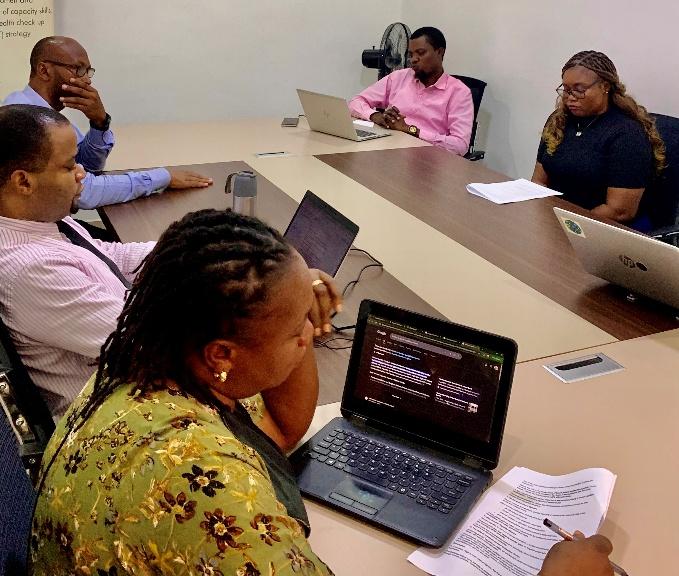
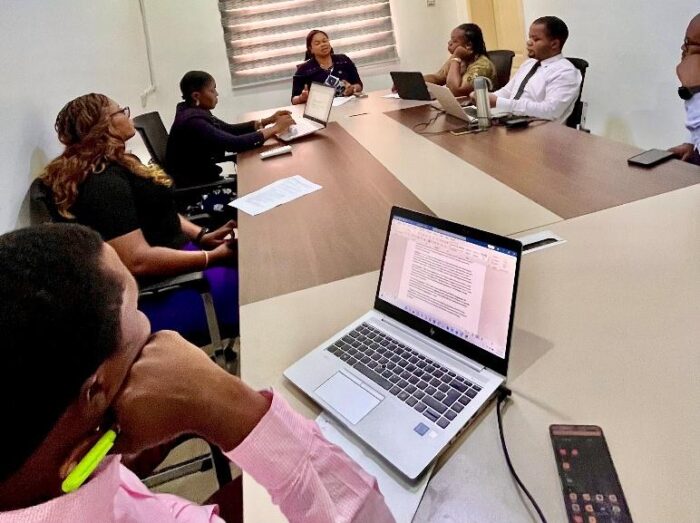
The roundtable discussion, moderated by Regina Chinelo Ochu, brought together professionals and development actors from diverse sectors including legal practice, education, technology, finance, and civil society.
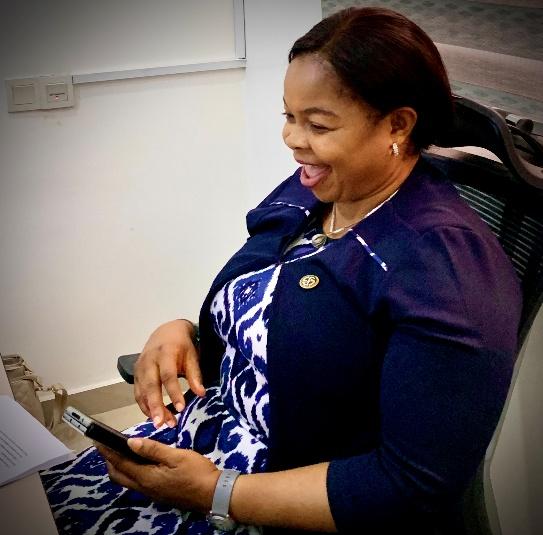
Participants included Oluwagbemiga O. Osinaike, Head of IT at E2E Initiative; Emeka Ohakim, Education Enthusiast; Chinedu Chuks, Project Director at AMBFED; Immaculata Offor, Financial Analyst; Evelyn Joseph, Esq., Private Legal Practitioner and Friend of E2E; and Joy Anih, Executive Director of E2E Initiative. Kalu Winner served as the media representative for the session.
The dialogue examined the current state of gender equality in Nigeria, progress achieved over the years, and the innovative actions required to accelerate the realisation of equal opportunities for women and girls.
Education and Economic Empowerment
“If Nigeria achieves gender equality, the country could add up to ₦15 trillion to its national GDP. Empowering women is not just a social responsibility; it is an economic necessity.”
– Emeka Ohakim, Education Enthusiast
He further highlighted the importance of changing social mindsets that hinder the education of the girl-child. Sharing a personal experience during his National Youth Service Corps (NYSC) service in Taraba State, he recounted how he encountered a mother (a nurse) who initially refused to sponsor her daughter’s education because she believed that responsibility belonged to the girl’s future husband. Through dialogue and reorientation, he was able to convince the mother to enroll the girl in school. Today, the young woman is a university graduate, demonstrating the transformative impact of education and community awareness.
Emeka also recommended women-to-girls mentorship programmes, where successful women intentionally guide and mentor young girls to inspire confidence, expand opportunities, and support their education and leadership development.
Access to Justice for Women and Girls
Reflecting on the theme “Rights, Access to Justice and Action for All Women and Girls,” participants discussed whether women, particularly those in rural and hard-to-reach communities, truly have access to justice.
Evelyn Joseph, Esq., highlighted legal frameworks protecting women’s rights, including the Violence Against Persons Prohibition Act (VAPP Act) and other relevant legal instruments applicable within the Abuja Municipal Area Council (AMAC). However, she noted that low awareness of these legal protections remains a major barrier, especially in rural communities.
She also emphasised that while legal protections exist, the financial cost associated with legal processes often discourages many women from seeking justice, underscoring the importance of expanding legal aid services and public awareness initiatives.
“Justice is not free. Accessing justice requires financial resources, and many women, especially those in rural communities, simply cannot afford it.”
– Evelyn Joseph, Esq., Private Legal Practitioner
Addressing the Financial Inclusion Gap
From a financial perspective, Immaculata Offor, Financial Analyst, highlighted the persistent gender gap in financial participation and inclusion. She noted that the financial participation gap between men and women could be estimated at 30 to 70 percent, reflecting both structural barriers and social limitations.
Beyond access to capital, she explained that many women struggle with confidence and financial decision-making, which limits their ability to achieve financial independence.
She therefore called for increased investment in financial literacy and mindset education, which can equip women with the knowledge and confidence needed to build sustainable livelihoods and participate fully in the economy.
Women in Technology and Leadership
Speaking on global trends, Oluwagbemiga Osinaike highlighted examples from countries such as Liberia, Tanzania, the United Kingdom, and the United States of America, where women have successfully served in top leadership positions.
He also noted that while women are increasingly thriving in the global technology sector, the gender gap in Nigeria remains significant. According to him, historical educational systems and cultural expectations have often steered women towards studying medicine and law rather than diving into technology and engineering.
With the rapid growth of Artificial Intelligence (AI) and digital innovation, he emphasised the need to create inclusive opportunities that encourage more women to participate in technology-driven industries.
Grassroots Engagement and Mentorship
Speaking on the importance of community-driven change, Chinedu Chuks, Project Director at AMBFED, emphasised that sustainable progress in gender equality must begin at the grassroots level.
According to him, many policies and advocacy efforts often remain at the national or elite level without reaching the communities where gender inequality is most pronounced.
Reflecting on the impact of the previous financial literacy AMBFED organised in collaboration with E2E initiative, he recalled the girls thirsting for mentorship after listening to Madam Joy Anih.
Those of us who have access to knowledge and opportunities must intentionally go back to the communities and mentor young girls and women.”
– Chinedu Chuks, Project Director, AMBFED.
Commitment to Sustained Action
In her closing remarks, Joy Anih, Executive Director of E2E Initiative, emphasised that achieving gender equality requires collective responsibility and sustained collaboration across sectors. While acknowledging the role of government in creating enabling policies, she stressed that lasting impact would depend on strong partnerships between government institutions, civil society organisations, development partners, and the private sector.
“Government cannot do it alone. Real progress happens when civil society, development partners, and communities work together to ensure that women and girls, especially those in hard-to-reach communities, are not left behind.”
– Joy Anih, Executive Director, E2E Initiative
She also highlighted the important role of community-based organisations in bridging the gap between national policies and grassroots realities. According to her, organisations like E2E Initiative remain committed to working directly with communities to promote awareness, mentorship, and empowerment opportunities for women and girls. She called for a direct partnership between NGOs and donor agencies.
The roundtable concluded with a shared commitment among participants to continue advancing rights, justice, and meaningful action for women and girls in Nigeria. Through sustained dialogue, strategic partnerships, and community-driven initiatives, stakeholders reaffirmed their resolve to contribute to a future where every woman and girl has the opportunity to reach her full potential.
Key Action Points from the Discussion
- Increase awareness in rural communities on women’s rights and access to justice, including the establishment of mobile courts and expanded legal aid services.
- Create more platforms for women to thrive in emerging sectors, particularly technology and artificial intelligence, while advocating for subsidised or free political nomination forms for women to encourage their participation in governance.
- Promote family and community engagement to encourage parents to educate the girl-child and dismantle harmful cultural mindsets that limit women’s potential.
- Strengthen mentorship programmes, especially those led by women role models of integrity, to guide and inspire younger women and girls.
- Expand grassroots engagement, with development actors and elites supporting mentorship and empowerment initiatives at the community level.
- Promote financial independence for women through financial literacy, entrepreneurship support, and confidence-building initiatives that encourage women to pursue economic opportunities without restrictions.
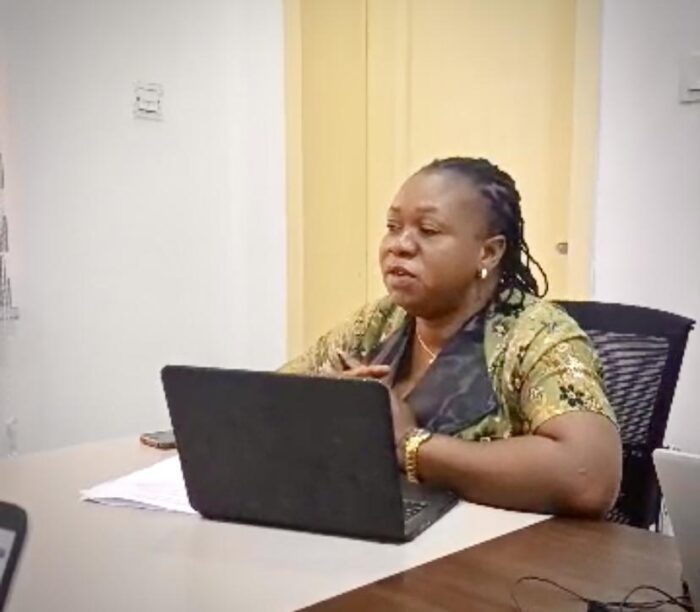
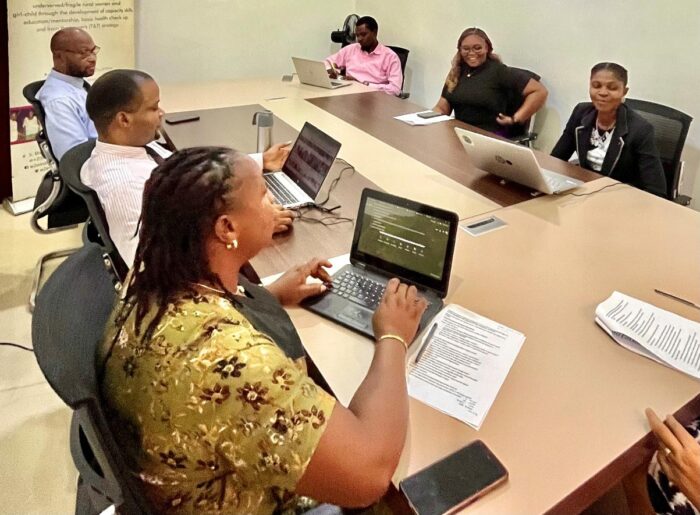
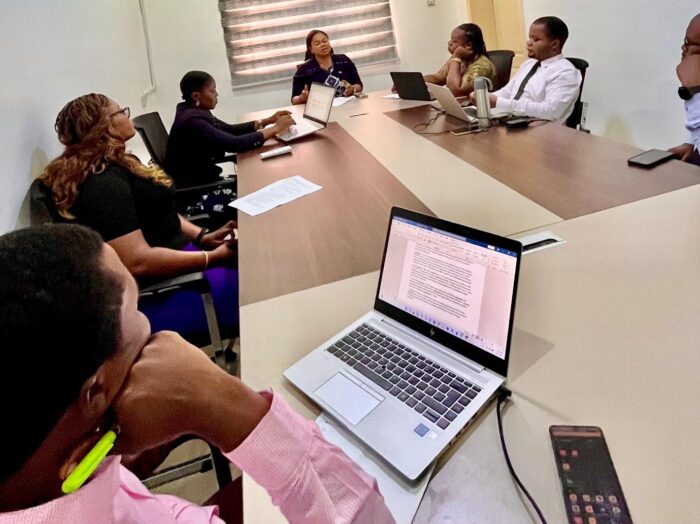
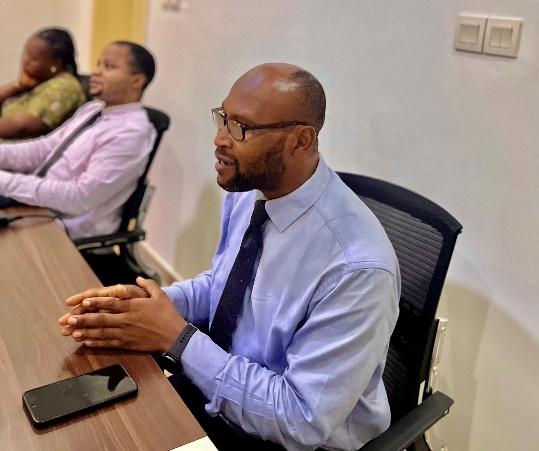
Photo Gallery:





About E2E Initiative
Empowered to Empower Initiative (E2E) is a Nigerian non-profit organisation committed to empowering rural women psychologically and financially to improve their livelihoods and reduce poverty in underserved communities. Through training, mentorship, and community-based empowerment programmes, the organisation equips women with the skills, knowledge, and support needed to start small businesses, generate sustainable income, and become agents of change within their families and communities. By working closely with local communities and development partners, E2E Initiative contributes to strengthening grassroots participation and advancing inclusive development.